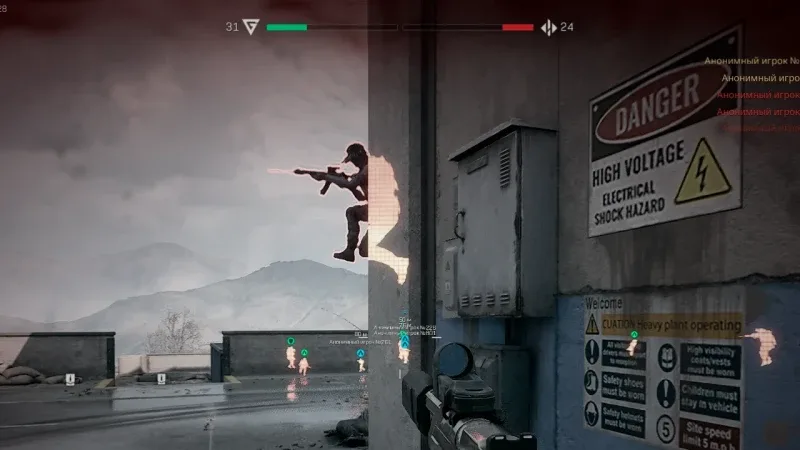
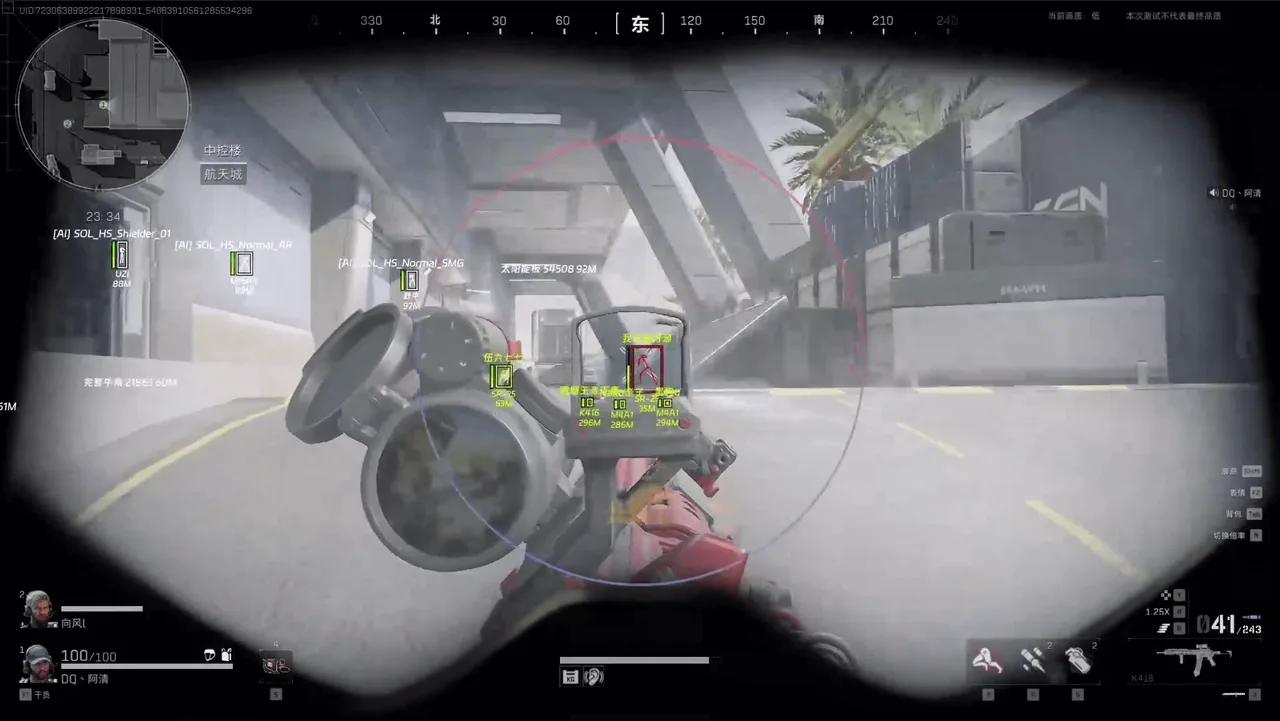
Delta Force anti-cheat combines client checks, server-side statistics, reports, and patch-day detection updates. Here is how ban waves happen and how to minimise exposure.
Delta Force ban waves are usually driven by a mix of client-side checks, server-side telemetry, and player reports. Understanding how those layers work matters if you want to stay ahead of ban cycles.
Delta Force Anti-Cheat Layer
Delta Force uses an anti-cheat system integrated into the game client. It can perform:
Memory scanning: Looks for known cheat signatures in active processesModule enumeration: Detects injected DLLs or unsigned code in the game processBehavioural analysis: Flags statistical anomalies — 100% headshot rates, impossible reaction times, consistent snap-to accuracyClient-side integrity: Verifies game file hashes against known-good versionsExternal cheats that only read memory (never write to or inject into Delta Force) avoid the first two detection vectors entirely. Behavioural analysis is countered by humanised settings — smoothing, capped FOV, realistic recoil percentages.
Server-Side Detection
Server-side detection adds a secondary enforcement layer. It monitors:
Account behaviour patterns: Sudden dramatic skill improvement, impossibly consistent KD ratiosReported player data: Mass reports from enemies after suspicious matchsSession telemetry: Metrics collected server-side that don't match client-side inputsLinked hardware: Repeat hardware fingerprints tied to banned accountsWhen Do Ban Waves Hit?
Competitive anti-cheat teams often issue ban waves rather than real-time bans for several reasons:
Real-time bans tip off developers about detection methods — cheats get updated within hoursBatch bans are more disruptive to cheat communities — everyone gets hit simultaneouslyDelayed bans allow deeper flagging — users who share, sell, or distribute cheats get caught in wider netsBan waves typically follow major game patches by 2–4 weeks. Patch windows are common moments for detection updates while flagged accounts continue to accumulate more evidence.
Reducing Ban Exposure
Use an external cheat (no injection, no game memory writing)Keep behavioural settings human (smooth aimbot, realistic accuracy)Avoid blatant behaviour that triggers mass reportingUse a secondary account for high-risk sessionsRun an HWID spoofer to protect your main hardware profileKeep up with cheat loader updates — outdated versions are the primary detection vectorThe goal isn't invisibility — it's staying below the statistical threshold that triggers investigation.