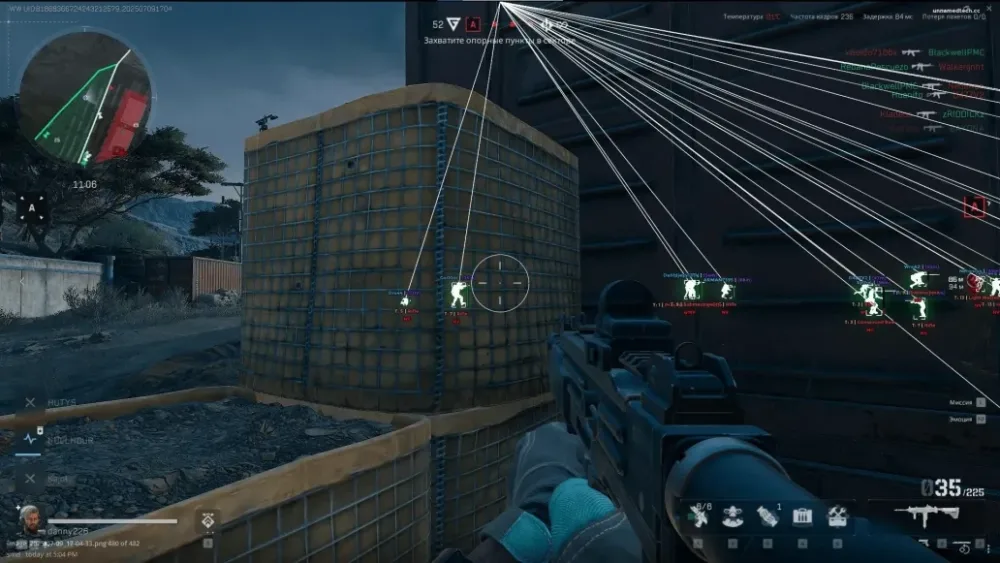
Why a Delta Force HWID spoofer is worth it in 2026 — how hardware bans work, what a real kernel spoofer protects, and when spoofing pays for itself vs risking your main PC.
A Delta Force HWID spoofer is not a flashy ESP feature. It is insurance. Easy Anti-Cheat can ban accounts — and it can also fingerprint your machine so a fresh Steam login on the same PC still looks "already punished."
If you search for Delta Force HWID spoofer, HWID spoofing, or hardware ban bypass, this guide explains what you are actually buying, why cheap registry tools fail, and when spoofing is worth the money.
What an HWID Ban Actually Does
An account ban kills one login. An HWID ban blacklists hardware identifiers collected from your PC — disk serials, motherboard UUID, MAC addresses, BIOS strings, and similar fingerprints.
After that:
New accounts on the same machine can still get blockedReinstalling Windows often does not help if the same hardware reports the same IDsBuying the game again does not reset the fingerprintThat is why players treat a serious HWID spoofer for Delta Force as part of a complete stack, not an optional extra.
What a Real HWID Spoofer Changes
A proper spoofer does not just edit a few registry keys. Anti-cheat can query hardware through drivers. A useful tool spoofs identifiers at a level those queries see, typically covering:
Storage serials (NVMe / SATA)Motherboard / SMBIOS UUIDNetwork adapter MAC addressesBIOS / board serial stringsRelated device instance paths used in fingerprintingFrom EAC's point of view during that session, your PC should not look like the previously banned profile.
Why It Is Worth It in 2026
1. One hardware ban costs more than a month of spoofing
A flagged main PC means time, stress, and sometimes real money (new parts or a second machine). A bundled Delta Force HWID spoofer is cheap compared with replacing an SSD and motherboard — or abandoning the only PC you play on.
2. Patch days raise the stakes
Delta Force updates often. Outdated loaders are a common ban path. Spoofing does not replace staying updated — but it reduces how permanent a bad session becomes if something goes wrong after a patch.
3. Bundled beat pay-per-addon
Many cheat shops sell aimbot/ESP cheap, then charge extra for the spoofer. That upsell is where "cheap" plans stop being cheap. A flat plan that includes HWID spoofing is usually the better SEO-and-wallet answer: one price, full protection stack.
4. Clean separation of "play PC" identity
Even careful players want a clean hardware profile for their main account. Spoofing before launch keeps your real identifiers off the session that runs the loader.
Spoofer Alone Is Not Enough
Worth saying clearly: an HWID spoofer is a safety layer, not a detection-proof cheat.
You still need:
An **external**, maintained Delta Force cheat buildSame-day or fast post-patch updatesSensible settings (no cartoon aimbot)Running the spoofer **before** the game and loaderSkip those and spoofing only delays the problem.
Who Should Get a Delta Force HWID Spoofer
Worth it if you:
Already took an HWID-related ban and need a clean fingerprint to play againShare a household PC that might have been fingerprinted beforeRun cheats on your main gaming machine and want a second layerCompare shops and refuse to pay a separate spoofer subscriptionLess urgent if you:
Only research features and are not launching a loader yetUse a dedicated throwaway machine you can wipe without caring about the fingerprintHow to Use It the Right Way
Boot Windows normallyStart the **HWID spoofer** and confirm spoof status (disk / SMBIOS / MAC as shown in your tool)Launch Delta ForceStart the cheat loaderWhen finished, exit the game and restore or reboot per your spoofer's instructionsNever reverse that order. Spoof first, play second.
HWID Spoofer vs "Just Buy a New Account"
| Approach | Cost over time | Protects hardware? | Stops after one ban? |
|---|
| New accounts only | Keeps climbing | No | Ban follows the PC |
| New SSD / mobo | High | Partial | Expensive reset |
| Quality HWID spoofer | Low monthly | Yes (per session) | Lets you recover and keep playing |
For most players searching is HWID spoofer worth it, the table answers itself: spoofing is the scalable option.
Bottom Line
A Delta Force HWID spoofer is worth it when you value the machine you already own. It does not replace a good external cheat or patch discipline — it makes bans less permanent and shops without a bundled spoofer less attractive.
If you want ESP, aimbot, radar, and an included spoofer in one updated loader, use a complete Delta Force cheat stack and always spoof before you queue.