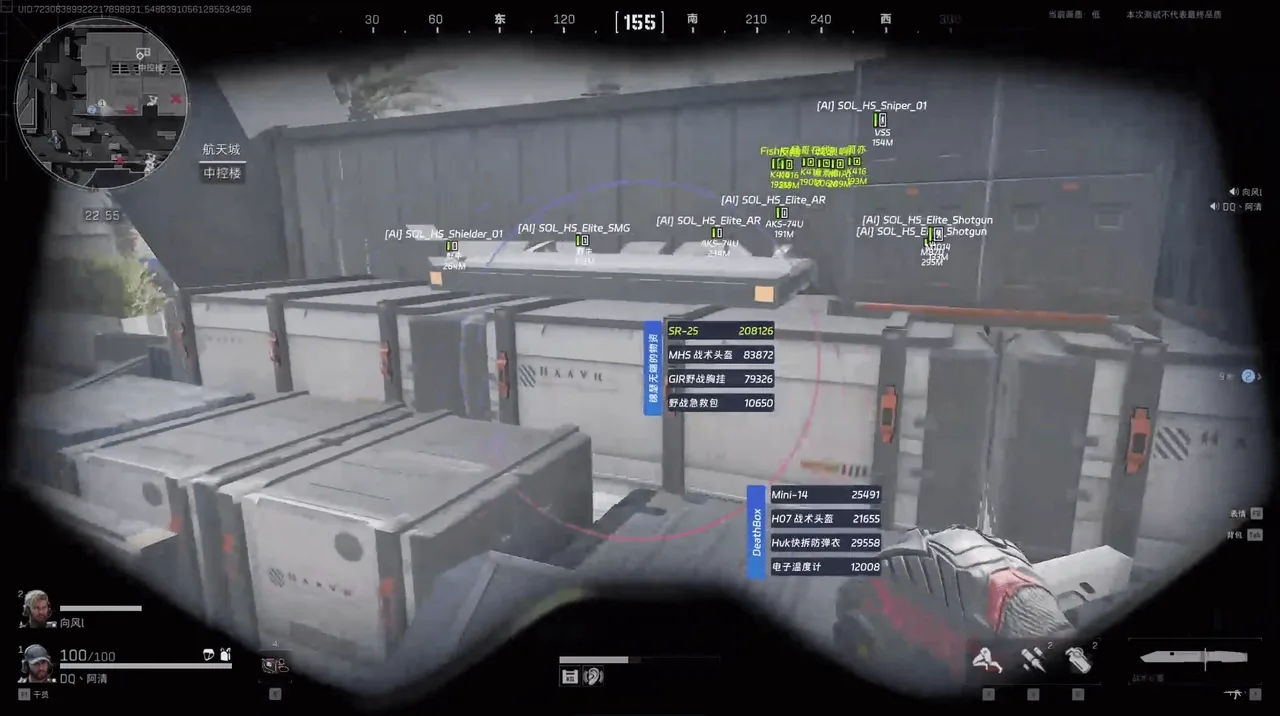
How External Cheats Work: Memory Reading Without Injection
A technical walkthrough of external cheat architecture — how memory reading, overlay rendering, and process isolation keep cheats undetected without ever touching game files.
Understanding how an external cheat is built helps you understand why it's safer than the alternatives, and why maintaining updated versions matters.
Process Isolation: The Core Principle
An internal cheat injects code into the target game process. An external cheat runs as an entirely separate process that reads the game's memory from outside. This distinction is everything.
From Windows' perspective, reading another process's memory via ReadProcessMemory is a standard, legitimate API call. Performance monitors do it. Debuggers do it. Screen recorders do it. The anti-cheat can't simply block all cross-process memory reads without breaking half the software ecosystem.
What the anti-cheat *can* do is scan its own process space for injected modules, hook monitors, and modified code — but an external process leaves none of these footprints.
Memory Reading Pipeline
A Delta Force external cheat follows this pipeline:
Steps 1–5 happen dozens of times per second. The result is real-time data that's visually rendered on top of the game without any code ever entering the game process.
The View Matrix
The most critical piece of data for any ESP cheat is the view matrix — a 4×4 floating-point matrix that represents where the camera is and what it's looking at. By multiplying any 3D world position through the view matrix, you get the 2D screen coordinates where that position should appear.
Without the current view matrix, ESP draws would be static or misaligned. Cheats find the view matrix address in memory and read it every frame. Game updates that move code sections often shift this address — hence why loaders need updating after patches.
Overlay Rendering
The overlay is a borderless, transparent window placed on top of the game. Key properties:
Why Updates Break Cheats
Every Delta Force game patch can:
A cheat loader that was working yesterday can be non-functional after a patch. Cheat developers reverse-engineer the update, find new offsets, and push loader updates — usually within hours of a patch landing. This is why checking for loader updates immediately after any game patch is critical before launching.
Ready to Dominate?
Full ESP, aimbot, loot highlights — $30/month. Undetected.